Seasonal Care Tips from an Arborist: Healthier Trees for Central Coast, NSW
Keeping your trees in top condition isn’t just about aesthetics. It’s about safety, sustainability, and adding value to your property. As a trusted arborist servicing the Central Coast, NSW, Tree Central knows how local weather and soil can impact your trees year round. This guide shares practical tips for every season, helping homeowners and property managers make informed decisions that protect their landscape and community.
Why Seasonal Tree Care Matters: Advice from a Tree Specialist
Routine care for trees is more than a nice to have. It’s essential for preventing disease, ensuring structural stability, and minimising risk during storms or dry spells. A tree specialist is trained to detect issues before they become costly hazards. By following seasonal best practices, you’re safeguarding the health of your trees and the safety of your property.
Summer: Preparing for Heatwaves and Storms
Summer on the Central Coast, NSW, brings intense heat, dry spells, and the occasional wild storm. Here’s how to keep your trees thriving:
Watering: Deep watering is key, especially during hot spells. Early mornings or late evenings are best, giving roots time to absorb moisture without losing it to evaporation. Avoid short, frequent watering, as it encourages shallow roots.
Mulching: Applying mulch helps retain soil moisture, limits weed growth, and reduces temperature swings at the base. Use organic mulch, keeping it clear of trunks to prevent rot.
Inspection: Summer is when pests and diseases are most active. Look for signs like wilting leaves, unusual growths, or insect activity. If you spot anything concerning, consult a local arborist for expert advice.
Storm Preparation: Loose branches and unstable growth can pose real hazards in strong winds. Routine trimming, especially of dead or damaged limbs, lowers the risk of property damage.
Autumn: Pruning and Preparing for Cooler Weather
Autumn brings milder temperatures and higher rainfall, making it a good time for maintenance and planning ahead.
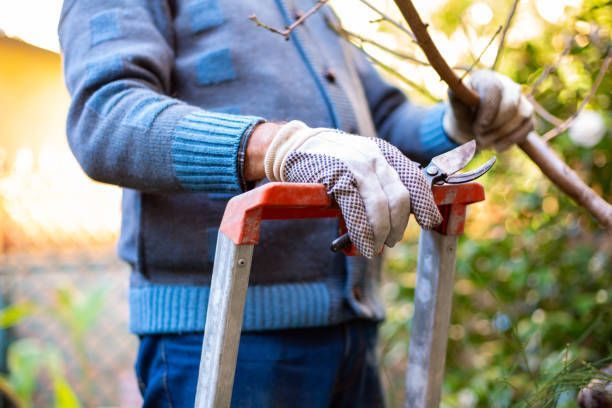
Pruning: This season’s mild weather means less stress on trees, and pruning promotes healthy new growth. Trim away dead, diseased, or crossing branches, focusing on improving the tree structure. A tree specialist can advise on the correct technique and timing for different species.
Fertilisation: Applying a balanced fertiliser after pruning helps trees recover and store energy for the coming months. Avoid fertilising too late, as it may encourage soft growth that’s vulnerable in winter.
Leaf Cleanup: Fallen leaves can hide fungal pathogens and pests. Remove them promptly, either by composting or responsibly disposing, to keep your landscape tidy and pest free.
Winter: Managing Dormancy and Preventing Stress
While growth slows during winter, tree care is still needed to prevent issues and support spring recovery.
Inspections: During their dormant phase, trees display structural features more clearly. It’s the perfect time to inspect for cracks, cavities, or weak limbs that could pose danger. If you notice anything unusual, reaching out to a qualified arborist is a safe bet.
Minimal Pruning: Most trees benefit from little pruning in winter, except for those needing urgent attention (such as branches at risk of falling). Avoid heavy work on sensitive species.
Wind and Frost Protection: Young or recently planted trees may require extra support against frost or wind. Consider staking, windbreaks, or protective coverings as needed.
Spring: Encouraging Growth and Renewal
Spring in Central Coast, NSW, means mild temperatures, increased rainfall, and a burst of growth.
Watering: As new leaves and shoots appear, regular watering supports healthy development. Monitor rainfall and adjust as needed. Signs of drought stress include curled leaves or stunted growth.
Pruning and Training: Early spring is a good time to remove any winter damaged branches and shape young trees. A tree specialist’s guidance ensures training is done correctly without harming the tree.
Fertilisation: Apply organic or slow release fertilisers to wake up your landscape. Avoid overfeeding, as this can lead to weak, excessive growth vulnerable to pests.
Pest and Disease Monitoring: Watch for signs of infestation, such as holes in leaves or unusual spots. If unsure, a trusted local arborist can assess and recommend next steps.
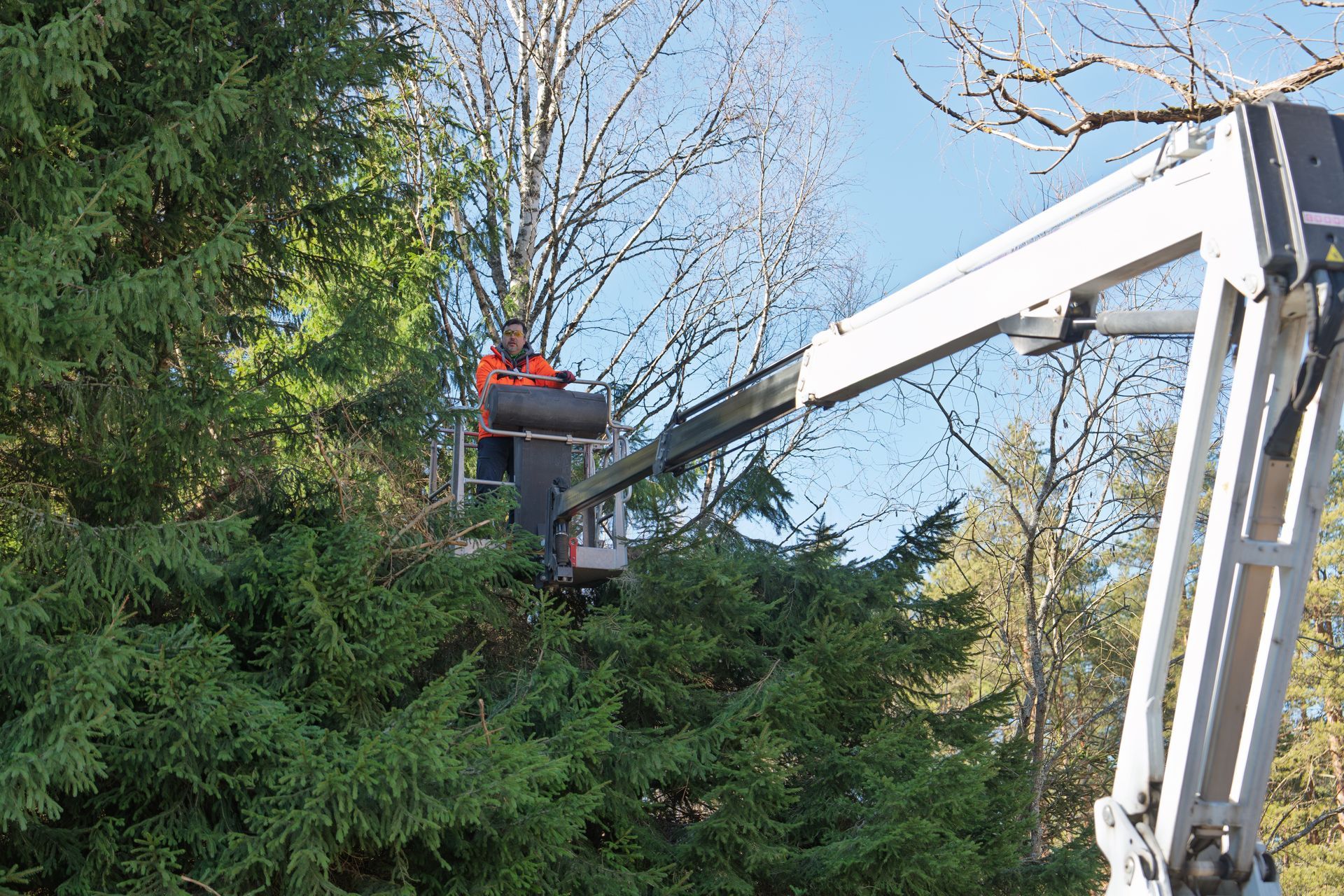
How Weather on the Central Coast, NSW, Affects Your Tree Health
The Central Coast, NSW’s blend of coastal air, humidity, and periodic drought influences which trees thrive. Understanding these patterns is vital for preventative care:
Humidity and Fungal Growth: The region’s humidity favours fungus, especially on dense plantings. Keep branches well spaced for airflow and regularly check for symptoms like discolouration or powdery residue.
Dry Spells and Storms: Prolonged dry periods can weaken trees, increasing vulnerability just before storm season. Scheduled deep watering and yearly tree specialist checkups make a difference in resilience and recovery.
Salt Exposure: For properties near the coast, salt spray can cause leaf burn and stunt growth. Choosing salt tolerant species and regular rinsing during dry, windy periods protects your investment.
Routine Tree Care: Preventing Disease and Structural Issues
Failing to maintain your landscape puts trees at risk of disease, infestation, and costly structural damage. A proactive approach, guided by a qualified arborist, keeps problems small and ensures compliance with local standards.
Detection and Early Intervention: Routine inspections spot trouble before it spreads. Many diseases and pests are easier to manage early, saving you time, money, and risk.
Structural Integrity: Regular pruning strengthens main branches, encourages balanced growth, and prevents hazardous overhangs. This practice reduces property risk and enhances the tree’s longevity.
Compliance and Safety: On the Central Coast, NSW, improperly maintained trees can violate regulations and incur fines. A tree specialist checks for compliance, ensuring all work meets Australian standards.
Final Checklist: Making Tree Care Easy Year Round
- Water deeply and consistently, adapting to seasonal changes.
- Mulch and fertilise thoughtfully to enrich soil and resist drought.
- Prune regularly but never excessively.
- Inspect for pests, disease, and structural issues, consulting a tree specialist when needed.
- Remove fallen leaves and debris to maintain a healthy landscape.
- Support newly planted trees with proper staking and protection.
Contact Our Expert Arborist Today!
If reliable, professional guidance is what you value for your landscape, now is a great time to reach out. For expert arborist advice and seamless tree services, contact Tree Central today. Discover how healthy, safe trees can transform your property without any hassle.