Tree Lopping vs Tree Pruning vs Tree Trimming: What's the Difference?
If you own property on the Central Coast, NSW, you have likely come across the terms tree lopping, tree pruning, and tree trimming and wondered whether they mean the same thing. They do not, and understanding the difference could save your trees and prevent costly fines under local council rules.
What Is Tree Lopping?
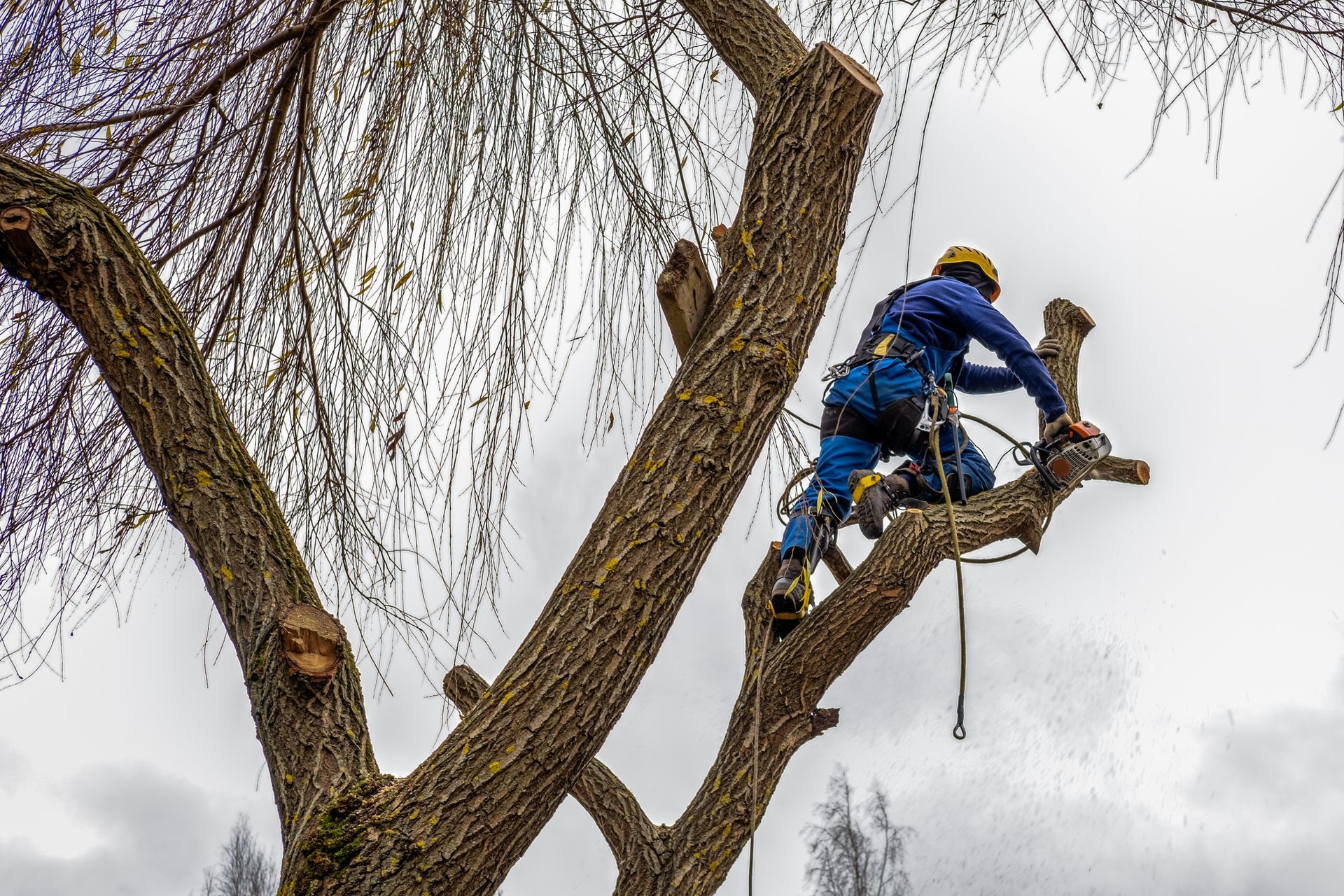
Tree lopping is the removal of large branches or the top of a tree, usually to reduce its overall height or manage a significant hazard. It tends to involve heavier cuts than pruning or trimming, and because these cuts often do not follow natural branch unions, the tree can struggle to seal the wound effectively. This may leave timber exposed to moisture, fungi, and insects, and can result in weak regrowth and long-term structural instability.
That said, tree lopping has legitimate applications. Storm-damaged trees, overhanging branches near power lines, or large limbs posing an immediate risk to a structure may all call for this approach. The key is having the work performed by a qualified arborist who can assess the tree as a whole before any cutting begins.
What Is Tree Pruning?
Tree pruning is the selective removal of branches to improve a tree's health, structure, or safety. It is the method endorsed by Australian Standard AS 4373-2007, which specifies correct practices for pruning amenity trees in urban settings across NSW.
Good pruning always targets the branch collar, the natural junction where a limb meets the trunk or a larger branch. Cutting at this point allows the tree to compartmentalise the wound and begin healing.
Common pruning techniques include:
- Crown thinning, which removes live branches selectively to let more light and air through the canopy.
- Crown lifting, which removes the lower canopy to clear roofs, fences, or footpaths.
- Deadwooding, which removes dead, diseased, or dying branches to reduce hazard and improve tree health.
- Formative pruning, which guides the shape of younger trees before problems develop.
Pruning is usually carried out on a regular schedule and is considered routine maintenance. For property owners across suburbs like Gosford, Wyong, Erina, and Terrigal, scheduled pruning can prevent the need for more drastic work later.
What Is Tree Trimming?
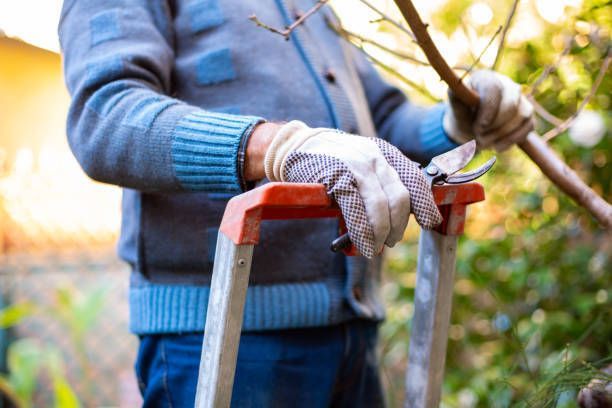
Tree trimming generally refers to lighter, appearance-focused work, typically shaping small branches and foliage to keep a tree or hedge neat. It sits closest to pruning in technique but is less focused on long-term tree health and more concerned with immediate aesthetics. It is well suited to ornamental trees, garden hedges, and street-facing specimens. Like pruning, trimming should remove dead or diseased branches back to the appropriate fork or collar, in line with Australian Standards.
A Quick Comparison
- Tree lopping involves large, heavy cuts and is primarily used for hazard reduction and height reduction. It can stress the tree if done poorly.
- Tree pruning involves selective cuts focused on health, structure, and safety. It has a positive impact on tree health when done correctly.
- Tree trimming involves light cuts aimed at aesthetics and shape. Its impact on tree health is neutral to positive.
Central Coast Council Rules You Need to Know
Before any significant tree work, property owners should check their obligations under Central Coast Council's Development Control Plan 2022, Chapter 3.5 Tree and Vegetation Management. Certain works require a permit, and trees on the Significant Tree Register or listed as heritage items carry additional protections.
Exemptions exist for routine maintenance, but they do not apply to threatened species, habitat trees for threatened fauna, endangered ecological communities, or trees forming part of a heritage item. If you are unsure whether your tree qualifies for exempt works, confirm with Council before you start. Working with a qualified arborist who understands local rules can help you avoid compliance issues.
Does Tree Lopping Require Council Approval on the Central Coast?
It depends on the species, size, and location. Significant lopping may require a Private Tree Works Application.
Is Tree Lopping Bad for Trees?
Lopping can stress trees and trigger unstable regrowth, but is appropriate when carried out professionally for legitimate hazard reasons.
How Often Should Trees Be Pruned on the Central Coast?
Most trees benefit from pruning every one to two years, though species, age, and site conditions vary.
Get the Right Tree Care for Your Property
Choosing the correct service matters for the health of your trees, the safety of your property, and your compliance with local regulations. Tree Central, serving the Central Coast, NSW, is a locally owned and operated family business with a fully qualified and insured team of arborists who can recommend the right approach, whether that is lopping, pruning, trimming, or a combination. To arrange a free, no-obligation quote, visit the services page or get in touch today. You can also find Tree Central and read reviews via the Tree Central Google Business Profile.